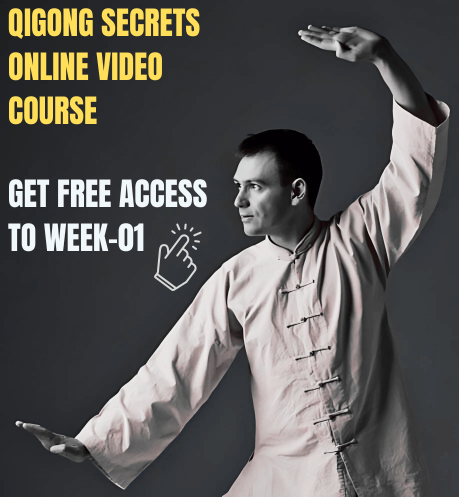
Practicing qigong in a group is a fundamentally different experience from solo practice. The Qi flow tends to be stronger, the social dimension adds its own benefit, and — if a qigong master is present — the effect can be remarkable. Here’s an honest look at what group practice offers, and a couple of things to be aware of going in.
Benefits of Group Qigong Practice
Stronger Qi Flow
In a group setting, there is simply more Qi in the room. Most practitioners find their Qi flow noticeably stronger when training alongside others — the collective energy amplifies what each individual experiences alone.
Practicing with a Qigong Master
Group classes and courses are often where you encounter a genuine qigong master. The difference this makes is hard to convey in words but easy to feel: you benefit directly from their abundance of Qi, and from what’s sometimes called “heart to heart transmission” — guidance and insight that goes beyond what can be taught verbally.
If you ever have the opportunity to learn with a qigong master, take it. One caveat worth knowing: your solo practice at home may feel like a damp squib by comparison for a while afterwards. This is normal.
Social Connection and Accountability
We are social animals. Practicing with a group of like-minded people is enjoyable in itself, and that enjoyment helps sustain consistent practice when motivation dips. Being part of a shared community — even occasionally — makes a difference to long-term commitment.
For older practitioners in particular, the social dimension of group qigong practice can be significant. Social isolation is a serious issue as we age, and regular group practice addresses it directly. Organised group qigong gatherings for the elderly have drawn over a thousand participants in some countries — testament to how well the practice lends itself to a group setting.
Helpful for Those Experiencing Depression
Qigong practice can be quite inward-focused, which isn’t always ideal for someone experiencing depression. For those in that situation, group practice is often more beneficial — it encourages social interaction and shared energy rather than solitary introspection. If depression is a factor, seeking guidance from a qualified instructor or healthcare professional before starting any practice is advisable.
Challenges of Group Qigong Practice
Qi Incompatibility
This is uncommon but worth knowing about. Occasionally, a practitioner may notice unpleasant feelings — irritability, hostility, a general sense of discomfort — during a group Qi flow. This can indicate that your Qi isn’t a good match for someone nearby. The solution is straightforward: move to a different spot in the room.
Stale Qi in Enclosed Spaces
This is the more significant practical challenge of indoor group practice. When many people practice qigong in an enclosed space, the volume of exhaled stale energy accumulates quickly. A large hall with good ventilation — ideally with doors or windows open — is strongly preferable to a small, sealed room. Outdoor practice avoids the problem entirely, which is one reason group qigong in warmer climates is often held outside.
Making the Most of Group Practice
If you get the opportunity to attend a group qigong class, course, or practice session — especially one led by a qualified instructor or master — it’s worth making the effort to go. The qigong exercises practiced in a group context, with proper instruction, can deliver results that take considerably longer to achieve through solo practice alone.