Qigong deviation syndrome — or QDS, known in Chinese as Zou huo ru mo — sounds alarming. Searches for it often come from people who’ve encountered warnings online and want to know whether it’s a real concern or internet fearmongering. The honest answer is: it’s real, but it’s almost entirely avoidable, and understanding why it happens makes it straightforward to prevent.
What Qigong Deviation Syndrome Actually Is
QDS is a term for the adverse effects that can occur when qigong is practiced incorrectly — particularly when a practitioner doesn’t follow instructions, mixes elements from different systems, or attempts advanced practices without proper preparation or guidance.
Qigong is simple, direct and effective — but only when practiced as intended. In practice, many students can’t resist adding elements from other disciplines: a bit of yoga here, some tai chi there, something else they’ve encountered elsewhere. Best case, nothing happens. Worst case, more harm than good.
The most common real-world cause of QDS isn’t mysterious or esoteric — it’s not following instructions.
Practices That Carry Higher Risk
Most qigong exercises, practiced correctly, are very safe. But some practices are significantly more powerful and significantly easier to get wrong — especially when learned from a book, video, or online resource without direct teacher guidance. These include:
- Zhan Zhuang
- Small Universe
- Big Universe
These should only ever be learned directly from a suitably experienced qigong teacher. The potential for benefit is high — but so is the potential for harm if practiced incorrectly, regardless of how carefully written instructions are followed.
How to Know If Your Practice Is Safe
A well-designed qigong program — taught correctly — has enough built-in safety mechanisms that even genuine beginner mistakes are unlikely to cause harm. The key questions to ask about any qigong practice you’re considering:
- Does it teach the three core skills (QSoM, energy flow, standing meditation) or just physical form?
- Does it clearly distinguish between qigong and qigong form?
- Does it advise against mixing with other systems, especially in early practice?
- Is there clear, specific instruction — not vague generalities?
If the answer to these questions is yes, your risk of QDS is minimal — provided you can follow the instructions as given.
A Real Question From a Skeptical Practitioner
The question that prompted this page came from a practitioner in rural Australia with no access to a local teacher:
“Have you ever come across Qigong Deviation Syndrome in your students? Is it a real concern? Why is your program safe (if it is)? I have no way of talking to someone face-to-face at this time — and if your experiences aren’t just made up for the Internet, then you may be able to help me.”
The skepticism here is worth acknowledging directly: there is a great deal of hocus-pocus written about qigong online, and healthy skepticism is the right starting position. QDS is real — but it’s not the mysterious, unpredictable phenomenon some sources suggest. It’s a predictable consequence of practicing incorrectly, and it’s largely preventable.
Learning Qigong Safely
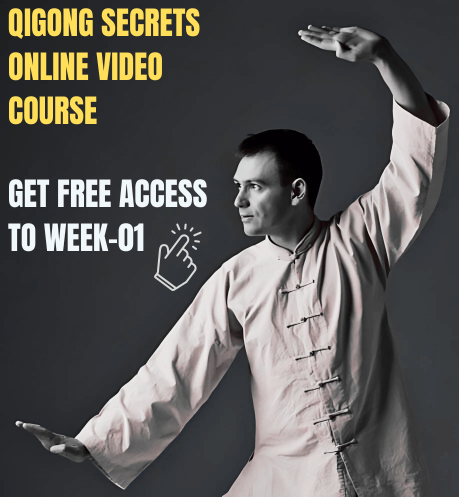
If you don’t have access to a local qigong teacher, the next best option is a structured online course that teaches genuine qigong skills — not just exercise form — with clear, specific instruction. online qigong course is designed with safety in mind and is available to try for free.
For a deeper understanding of the difference between practicing qigong as a skill versus qigong as form, see Qigong vs Qigong Form.