Most people practicing qigong today are not actually practicing qigong. They are practicing qigong form — the physical movements — without the energy and mind components that make qigong work. This distinction is the single most important thing to understand about qigong practice.
What Qigong Actually Is
Qigong is a composite of three elements practiced together:
- Form — gentle external movements coordinated with the breath
- Energy — the generation of genuine qi flow through the body
- Mind — a Qigong State of Mind (QSoM), at its most basic a state of relaxed, focused awareness
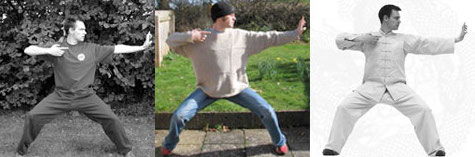
Qigong form is only the first of these three elements. Practicing form alone is closer to gentle stretching than to qigong — useful in itself, but a fraction of what correct qigong practice produces.
The Five Benefits of Qigong — and Why Most Practitioners Miss Them
Qigong practiced correctly offers five main categories of benefit:
- Health and vitality
- Longevity
- Internal force
- Mind expansion
- Spiritual cultivation
These benefits come from practicing all three components together. Practicing form alone produces only minor physical benefits — gentle exercise at best. Many people who conclude that “qigong doesn’t work” have spent months or years practicing form only, never having been taught the energy and mind components that make the practice effective.
The Three Core Skills That Separate Qigong From Form
Correct qigong practice depends on three core skills working together:
- Entering a QSoM — a higher state of consciousness, at its most accessible level simply being relaxed and focused during practice
- Energy flow — sometimes called “Flowing Breeze Swaying Willows”, this is where the healing takes place. Qigong form performed in a QSoM, combined with correct breathing, generates genuine energy flow through the meridians. Without this, the majority of qigong’s benefits remain out of reach
- Standing meditation — consolidating the results of practice at the end of a session
For a deeper look at each of these skills, see The 3 Core Skills of Qigong.
How to Tell Whether You’re Practicing Qigong or Just Form
A few reliable indicators:
- Energy flow: If your practice moves from one exercise to the next without a period of energy flow, you are almost certainly practicing form only
- Results over time: After three months of regular practice, you should notice improvements in health, vitality, and stress resilience. If nothing has changed, form-only practice is the most likely explanation
- How you feel afterwards: Qigong generates energy — you should feel energised, not tired, after a session. Physical exercise depletes energy; qigong builds it. Feeling drained after practice is a sign something is missing
What to Do If You’ve Been Practicing Form Only
The solution is learning the energy and mind components — ideally directly from a qualified instructor. If that isn’t accessible, learning qigong online from a course that explicitly teaches all three components is the next best option. My online course is built around this distinction — the PERFECT Qigong system addresses each of the three components systematically.
Finally, if you’re practicing real qigong and want to understand how to structure your sessions correctly, the next question most practitioners encounter is why you should focus on one exercise per session rather than several. That’s covered in detail here: Why You Should Practice One Qigong Form at a Time.