Staying motivated with qigong practice is one of the most common challenges practitioners face — especially in the early months. Two large-scale studies tracking over 5,000 people worldwide identified which motivation strategies actually produce results, and which ones don’t. Here’s what the research found, applied to qigong practice.
What Doesn’t Work
The studies, run by Professor Richard Wiseman and detailed in his book 59 Seconds: Think a Little, Change a Lot, found that people who used the following strategies were unlikely to achieve their goals:
- Using a celebrity or role model as inspiration
- Focusing on what will go wrong if they don’t succeed
- Trying to suppress unhelpful thoughts
- Relying on willpower alone
- Fantasising about how good life will be once the goal is achieved
5 Strategies That Significantly Increase Success
By contrast, people who used the following five strategies significantly increased their likelihood of achieving their goals.
1. Make a Step-by-Step Plan
If you’re learning under the guidance of a good qigong teacher or following a structured course, this is straightforward — follow the instructions in sequence. If you’re working more independently, map out what you’ll practice and when. Vague intentions don’t become habits; plans do.
2. Tell Other People About Your Goals
First, get clear on what you want from your qigong practice — and write it down. Aims are long term (six months or more); objectives are shorter term and measurable. Post them somewhere visible.
Then share them — but choose carefully who you tell. Some people will encourage you when the going gets tough. Others will, for their own reasons, be indifferent or actively discouraging. Tell the first group, not the second.
3. Focus on the Positive Outcome
Regularly spend a few minutes imagining what you’ll be able to feel, do, or experience once you achieve your aims. Doing this at the end of each practice session works well. This is distinct from fantasy — it’s deliberate, grounded visualisation of a realistic outcome.
4. Reward Yourself for Progress
Don’t wait until you’ve reached your final goal to acknowledge progress. Practiced a full week without missing a session? That deserves a reward. Met a short-term objective? Reward. Rewards don’t need to be expensive — just meaningful enough to reinforce the behaviour.
5. Record Your Progress
As Peter Drucker put it: what gets measured gets managed. If you’re not tracking your practice and its effects at least monthly, you have no reliable way of knowing whether you’re moving toward your aims or away from them. A simple progress journal or tracker is enough.
Putting It Together
These five strategies work because they replace passive wishing with active structure. Applied to qigong, the combination of a clear plan, social accountability, positive focus, regular rewards, and honest measurement creates conditions where consistent practice becomes the path of least resistance — not a daily act of willpower.
For practical strategies on building the habit of daily practice in the first place, see 10 Ways to Build a Regular Qigong Practice — a useful companion to the motivation framework above.
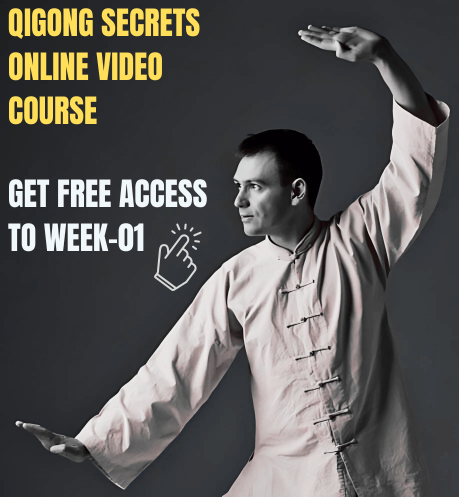
To learn qigong the way it’s practiced at Qigong15, take a look at the online course — week one is free.